
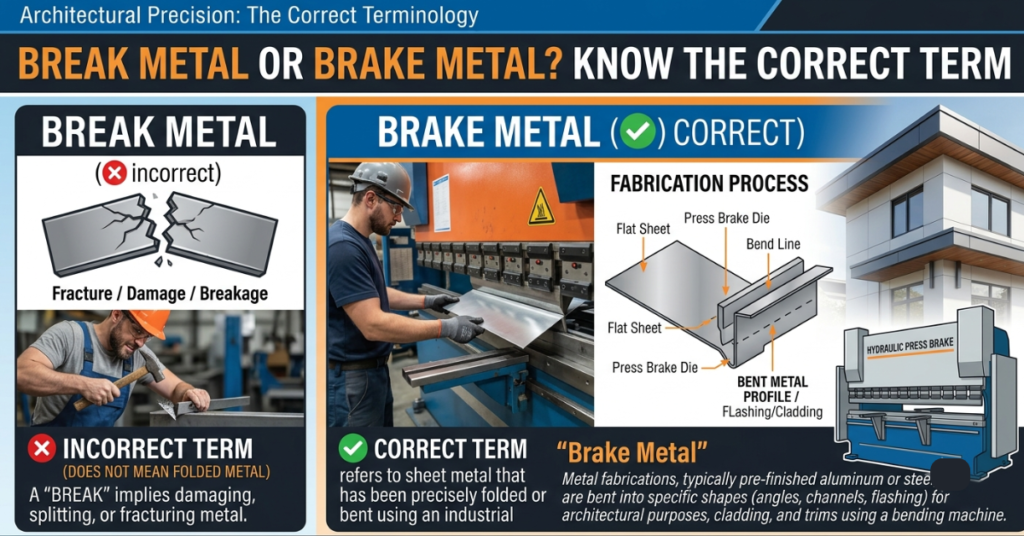
Have you ever searched for break metal or brake metal and wondered which one is actually correct? You’re not alone. Thousands of people type this phrase into search engines every month because the two words sound exactly alike but have completely different meanings.
The confusion usually happens because “break” and “brake” are homophones—they’re pronounced the same but have different spellings and meanings. If you’re talking about a vehicle’s braking system, the correct term is almost always brake metal, not break metal.
In this guide, we’ll explain the difference between the two, what brake metal refers to, why people confuse the terms, and how they’re used in the automotive industry.
Understanding the Difference Between Break and Brake
Although they sound identical, these words serve very different purposes.
| Word | Meaning | Common Use |
| Break | To separate, damage, stop, or interrupt something | Break a glass, break a record, coffee break |
| Brake | A device used to slow down or stop a vehicle | Car brakes, brake pads, brake discs |
When discussing cars, trucks, motorcycles, or industrial machinery, brake is the correct spelling.
What Is Brake Metal?
Brake metal generally refers to the metal components used in a vehicle’s braking system. Depending on the context, it may describe:
- Brake rotors (discs)
- Brake drums
- Brake backing plates
- Metal brake shims
- Steel components inside brake assemblies
- Metallic material used in brake pads
In repair shops, manufacturing, or automotive discussions, people sometimes use “brake metal” informally to refer to these metal braking parts collectively.
Is “Break Metal” Ever Correct?
In most automotive situations, no.
If someone writes break metal, it’s usually a spelling mistake caused by confusing the words “break” and “brake.”
However, there are a few rare situations where “break metal” could technically make sense.
For example:
- metal that has broken
- metal intentionally broken during recycling
- fractured metal pieces
Even in these cases, “break metal” isn’t a standard technical term.
Why Do People Search for “Break Metal or Brake Metal”?
There are several reasons this keyword is so common.
1. They Sound the Same
English contains many homophones, and break and brake are among the most frequently confused.
2. Voice Search
People often use voice assistants to search online. Speech recognition may interpret the spoken word differently depending on context.
3. Typing Errors
Many users simply type “break” because it’s the more familiar spelling.
4. Lack of Automotive Knowledge
Someone unfamiliar with vehicle parts may not realize that the braking system always uses the spelling brake.
Common Brake Metal Components
A vehicle’s braking system includes several important metal parts.
Brake Rotors
Brake rotors are circular metal discs attached to each wheel. When brake pads squeeze the rotor, friction slows the vehicle.
Brake Drums
Some vehicles use brake drums instead of disc brakes, especially on rear wheels.
Brake Calipers
Calipers hold the brake pads and press them against the rotor when the brake pedal is pressed.
Brake Backing Plates
These metal plates protect internal brake components from dirt, water, and road debris.
Metallic Brake Pads
Many brake pads contain metal fibers such as:
- Steel
- Copper
- Iron
- Graphite mixtures
These materials improve durability and heat resistance.
What Metal Is Used in Brake Parts?
Different brake components use different metals depending on their purpose.
Common materials include:
- Cast iron
- Stainless steel
- Carbon steel
- High-carbon alloys
- Aluminum (certain brake components)
- Copper alloys
- Titanium (high-performance applications)
Performance vehicles may also use ceramic or carbon-ceramic materials for exceptional heat resistance.
Why Is Brake Metal Important?
Brake components experience extreme temperatures and pressure every time you stop your vehicle.
High-quality brake metals provide:
- Better stopping power
- Improved heat dissipation
- Longer lifespan
- Reduced brake fade
- Greater safety
- Better resistance to corrosion
Using poor-quality brake components can reduce braking performance and increase repair costs over time.
Signs Your Brake Metal Components May Need Replacement
Watch for these common warning signs:
- Squealing brakes
- Grinding noises
- Vehicle vibration while braking
- Longer stopping distances
- Brake warning light
- Grooved or uneven brake rotors
- Rust or severe corrosion
Ignoring these symptoms can lead to more expensive repairs and compromise driving safety.
Brake Metal vs Brake Pads
People often confuse these terms.
Brake Metal
Refers to the metal components within the braking system.
Brake Pads
Brake pads are friction materials that press against the brake rotor to slow the vehicle. Some brake pads contain metallic compounds, while others are ceramic or organic.
Types of Brake Pad Materials
Different brake pads use different materials.
Semi-Metallic
Advantages:
- Excellent durability
- Strong braking performance
- Handles high temperatures well
Disadvantages:
- Can be noisy
- Produces more brake dust
Ceramic
Advantages:
- Quiet operation
- Less brake dust
- Longer lifespan
Disadvantages:
- Higher cost
Organic
Advantages:
- Affordable
- Quiet braking
Disadvantages:
- Wears out faster
- Lower heat resistance
Common Mistakes People Make
Many beginners accidentally write:
- Break metal pads
- Break rotor
- Break disc
- Break caliper
- Break system
The correct automotive terms are:
- Brake pads
- Brake rotor
- Brake disc
- Brake caliper
- Brake system
How to Remember the Difference
A simple memory trick makes it easy.
- Brake helps a vehicle stop.
- Break means to damage or separate something.
If you’re talking about cars, the answer is almost always brake.
Related Automotive Terms
While researching brake metal, you may also come across:
- Brake rotor
- Brake disc
- Brake drum
- Brake caliper
- Brake lining
- Brake shoe
- Brake fluid
- Anti-lock braking system (ABS)
- Metallic brake pads
- Disc brakes
These related terms help provide a broader understanding of modern braking systems.
FAQs
Is it brake metal or break metal?
The correct automotive term is brake metal. “Break metal” is usually a spelling mistake.
Why do people confuse brake and break?
Both words are pronounced the same but have different meanings and spellings, making them easy to mix up.
What is brake metal made of?
Brake components are commonly made from cast iron, steel, stainless steel, aluminum alloys, and other heat-resistant metals.
Does brake metal refer to brake pads?
Not exactly. Brake metal generally refers to the metal components of the braking system, although some brake pads also contain metallic materials.
Is brake metal important for vehicle safety?
Yes. Strong, high-quality brake components are essential for effective stopping performance and overall road safety.
What happens if brake metal wears out?
Worn brake components can reduce stopping power, create noise, damage other parts, and increase the risk of accidents.
Conclusion
If you’ve been wondering whether to use break metal or brake metal, the answer is straightforward. In automotive contexts, brake metal is the correct term because it relates to the components that help slow and stop a vehicle. The word break has a completely different meaning and generally refers to damaging or separating something.
Understanding the difference not only improves your vocabulary but also helps you communicate more accurately when discussing vehicle maintenance, repairs, or replacement parts. If you’re researching brake systems or shopping for automotive components, always use the correct spelling—brake—to find the most relevant information and products.