
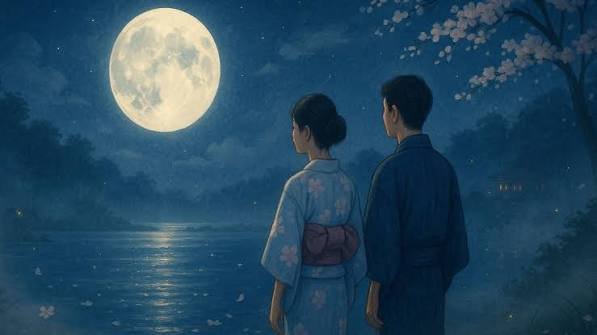
Have you ever heard someone say “isn’t the moon lovely” and wondered why such a simple sentence feels so poetic? The isn’t the moon lovely meaning goes far beyond admiring the night sky. It is often connected with romance, hidden emotions, and the beauty of expressing feelings without saying them directly.
This phrase has gained popularity online, especially among people interested in Japanese culture, anime references, and poetic expressions. While it sounds like a simple observation about the moon, it can carry a deeper emotional meaning depending on the context.
In this article, we will explore what does isn’t the moon lovely meaning, where the phrase comes from, its romantic interpretation, and how it is understood in different languages and cultures.
What Does Isn’t the Moon Lovely Meaning?
The phrase “isn’t the moon lovely” literally means:
“Isn’t the moon beautiful?”
On the surface, it is simply a way of appreciating the appearance of the moon. However, the phrase is often used as a gentle and indirect way of expressing affection, admiration, or love.
Instead of saying:
- “I love you.”
- “I have feelings for you.”
- “You mean a lot to me.”
Someone might say:
“Isn’t the moon lovely?”
The hidden message can be:
“I love you” or “I feel deeply connected to you.”
This meaning depends on the relationship between the speakers and the emotional situation.
The Romantic Meaning Behind “Isn’t the Moon Lovely”
The phrase became famous because of its association with subtle expressions of love. It represents the idea that emotions do not always need to be spoken directly.
Sometimes, a person may use beautiful surroundings, such as:
- A moonlit night
- A sunset
- A quiet moment together
- A peaceful landscape
to express feelings that are difficult to say openly.
The phrase creates a sense of:
- Romance
- Nostalgia
- Emotional connection
- Quiet admiration
- Unspoken love
It is especially meaningful because it allows someone to share a feeling while leaving room for the other person to understand the deeper message.
Isn’t the Moon Lovely Meaning in Japanese
The phrase is strongly connected with Japanese culture because of a famous story involving Japanese writer Natsume Sōseki.
According to a popular anecdote, when Sōseki was teaching English, a student translated:
“I love you”
directly into Japanese.
Sōseki reportedly suggested that Japanese people might express this feeling more naturally by saying:
“Tsuki ga kirei desu ne” (月が綺麗ですね)
which means:
“The moon is beautiful, isn’t it?”
This phrase became associated with expressing love indirectly and poetically.
However, it is important to understand that this story is considered more of a cultural legend than a historically confirmed fact. There is no strong evidence that Sōseki actually said this exact phrase.
Still, the expression became popular because it represents an important aspect of Japanese communication: emotions are sometimes conveyed through implication rather than direct statements.
Isn’t the Moon Lovely Meaning in Anime
The phrase “isn’t the moon lovely meaning anime” is a common search because many anime fans connect it with romantic scenes.
In anime and Japanese storytelling, indirect expressions of love are often used to create emotional depth. A character looking at the moon and saying something like “the moon is beautiful tonight” may suggest:
- Hidden romantic feelings
- A confession without saying “I love you”
- A special connection between characters
This type of poetic dialogue is popular because it creates a softer and more memorable romantic moment.
Isn’t the Moon Lovely Meaning in English
In English, “isn’t the moon lovely?” usually means:
“The moon looks beautiful, doesn’t it?”
It is a simple compliment about nature.
However, when used in a romantic or emotional situation, it may suggest:
- Appreciation of a shared moment
- A quiet confession
- Admiration for someone nearby
- A feeling of closeness
English speakers do not commonly use it as a direct replacement for “I love you,” but literature, movies, and online culture have given it a more symbolic meaning.
Isn’t the Moon Lovely Meaning in Urdu
The isn’t the moon lovely meaning in Urdu can be understood as:
“کیا چاند کتنا خوبصورت ہے، ہے نا؟”
(Kya chaand kitna khoobsurat hai, hai na?)
The deeper romantic meaning can be interpreted as:
“میں تم سے محبت کرتا ہوں”
(I love you)
or
“تم میرے لیے خاص ہو”
(You are special to me)
In Urdu poetry, indirect expressions of love are very common. Similar to traditional ghazals and romantic poetry, emotions are often expressed through nature, beauty, and symbolism.
Isn’t the Moon Lovely Meaning in Tamil
The isn’t the moon lovely meaning in Tamil can be translated as:
“நிலவு எவ்வளவு அழகாக இருக்கிறது, இல்லையா?”
(Nilavu evvalavu azhagaaga irukkiradhu, illaiyaa?)
The emotional meaning can represent:
- Love
- Admiration
- A beautiful shared moment
- Feelings that are not spoken directly
Tamil literature also has a strong tradition of using nature as a symbol for emotions, making this type of expression easy to understand culturally.
Isn’t the Moon Lovely Meaning in Bengali
The isn’t the moon lovely meaning in Bengali can be expressed as:
“চাঁদটা কত সুন্দর, তাই না?”
(Chandta koto shundor, tai na?)
Beyond the literal meaning, it can suggest:
- Romantic feelings
- Emotional attachment
- Appreciation of someone special
Bengali poetry and songs frequently use the moon, stars, and nature as symbols of love and longing.
Isn’t the Moon Lovely Meaning Español
The isn’t the moon lovely meaning español can be translated as:
“¿No es hermosa la luna?”
The romantic interpretation may be:
“Te quiero” or “Te amo” depending on the situation.
Like many poetic expressions, the meaning depends on tone, timing, and the relationship between two people.
Why Do People Use Indirect Love Expressions?
Indirect expressions like “isn’t the moon lovely” are popular because they create emotional mystery.
Some reasons people prefer them include:
1. They Feel More Romantic
A simple “I love you” is meaningful, but a poetic phrase can feel more personal and memorable.
2. They Allow Emotional Freedom
Indirect words allow someone to express feelings without feeling overly vulnerable.
3. They Create Shared Meaning
The beauty of the phrase comes from two people understanding the hidden message behind it.
Similar Romantic Phrases With Hidden Meanings
Many cultures have expressions that communicate emotions indirectly.
Examples include:
- “The stars look beautiful tonight.”
- “I wish this moment could last forever.”
- “I enjoy spending time with you.”
- “This place feels special with you here.”
These phrases show affection without directly stating it.
Is “Isn’t the Moon Lovely” Actually a Japanese Love Confession?
Not exactly.
Although many people believe the phrase is a traditional Japanese way to say “I love you,” it is not a commonly used romantic confession in modern Japanese conversations.
Most Japanese people would understand:
“Tsuki ga kirei desu ne”
as:
“The moon is beautiful, isn’t it?”
The romantic interpretation mainly comes from the popular story about Natsume Sōseki and its spread through literature, social media, and anime culture.
FAQs About Isn’t the Moon Lovely Meaning
What does isn’t the moon lovely meaning?
The phrase literally means that the moon looks beautiful. Symbolically, it can represent love, admiration, or a hidden romantic feeling.
Is “isn’t the moon lovely” a way to say I love you?
It can be interpreted as “I love you” in a poetic sense, but it is not a direct or universal way to express love.
What is isn’t the moon lovely meaning in Japanese?
In Japanese, “Tsuki ga kirei desu ne” means “The moon is beautiful, isn’t it?” It is associated with indirect romantic expression.
Is isn’t the moon lovely from anime?
The phrase is popular among anime fans because Japanese media often uses indirect emotional expressions, but it is not originally an anime phrase.
What is the isn’t the moon lovely meaning in English?
In English, it usually means appreciating the beauty of the moon, though it may carry romantic meaning depending on the context.
Why is the moon used as a symbol of love?
The moon has long represented beauty, mystery, longing, and emotional connection in poetry and storytelling across many cultures.
Conclusion: The Beauty Behind “Isn’t the Moon Lovely”
The isn’t the moon lovely meaning shows how language can express emotions beyond literal words. While the phrase simply describes the beauty of the moon, it has gained a deeper meaning as a symbol of love, admiration, and unspoken feelings.
Whether you discovered it through Japanese culture, anime, poetry, or social media, the phrase reminds us that sometimes the most powerful emotions are hidden between simple words.
A beautiful sentence does not always need to say everything directly — sometimes, looking at the same moon is enough.