

Have you ever received a short email that says “Received with thanks” and wondered whether it sounds professional or if another response would be better?
This phrase appears frequently in workplaces, customer support conversations, banking messages, and business emails. Although it looks simple, understanding the received with thanks meaning helps you communicate more clearly when confirming emails, payments, documents, or important information.
In this guide, you will discover the meaning behind this expression, the situations where it works best, useful alternatives, and practical templates for professional communication.
What Does Received With Thanks Mean?
The expression indicates that someone has successfully received something and appreciates the person who provided it.
In other words, it combines two messages: confirmation of arrival and a polite expression of gratitude.
For instance, when a client sends important files, a professional reply might say:
Thank you for sharing the documents. I have received them and will review them shortly.
This approach feels more personal while still maintaining a professional tone.
Meaning in Professional Communication
In a professional environment, clear acknowledgment plays an important role because it prevents misunderstandings. A short confirmation assures the sender that their email, document, or payment reached the intended recipient.
Additionally, businesses use these messages to maintain organized communication and create a record of completed actions.
Common situations include:
- Receiving contracts
- Confirming invoices
- Responding to customer requests
- Acknowledging applications
- Accepting project files
- Confirming financial transactions
For example:
We have received your proposal and will share our feedback after reviewing it.
Is This Phrase Grammatically Correct?
Yes, the phrase is acceptable in professional communication. However, it functions more like a shortened expression rather than a complete sentence.
A complete version could be:
Your email has been received with thanks.
Similarly, you could write:
We have received your documents and appreciate your quick response.
Although the shorter version is common in workplaces, adding extra context often makes your message sound more natural.
When Should You Use This Expression?
This type of acknowledgment works well whenever you need to confirm that something has arrived.
For example:
Receiving Documents
Thank you for sending the proposal. We have received it successfully.
Receiving Emails
Your message has been received, and our team will respond soon.
Receiving Files
The design files have arrived safely. We appreciate you sharing them.
Receiving Payments
Your payment has been received successfully. Thank you for your prompt action.
Payment Received With Thanks Meaning
The phrase payment received with thanks is commonly used after a financial transaction has been completed.
It confirms that money has reached the correct account while also showing appreciation to the customer or client.
Businesses often send this type of confirmation after:
- Invoice payments
- Freelance projects
- Subscription renewals
- Online purchases
- Service payments
As a result, customers feel more confident because they know their transaction has been processed properly.
Example:
Thank you for your payment. We have successfully updated your account details.
Well Received With Thanks Meaning
The expression well received with thanks carries a slightly different idea. Instead of only confirming delivery, it suggests that something received a positive response.
For example:
The new design proposal was well received by the client.
This means the client liked or accepted the proposal.
Meanwhile, a simple receipt confirmation only tells someone that an item or message arrived.
Received vs. Well Received
| Expression | Meaning | Common Use |
| Received | Confirms arrival | Emails, files, documents |
| Received with appreciation | Confirms arrival and gratitude | Professional replies |
| Well received | Shows positive reaction | Ideas, proposals, feedback |
Therefore, selecting the right phrase depends on whether you want to confirm delivery or describe someone’s reaction.
Better Alternatives for Professional Emails
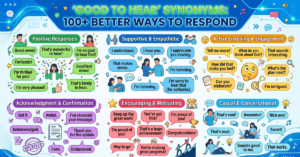
Although the phrase works well, using different expressions can make your communication sound less repetitive.
You can also write:
- Thank you, I have received it.
- We acknowledge receipt of your email.
- Your documents have arrived safely.
- We appreciate your quick response.
- Your payment has been successfully processed.
- Thank you for sharing the information.
Moreover, these alternatives allow you to adjust your tone depending on the situation.
Practical Tips for Better Confirmation Messages
A strong acknowledgment message should do more than confirm receipt.
To make your emails more effective:
- Mention exactly what you received.
- Add appreciation when appropriate.
- Include the next step if required.
- Keep your wording simple and professional.
- Choose a tone that matches your relationship with the recipient.
For example:
Instead of:
Received with thanks.
Try:
Thank you for sending the invoice. We have received it and will process it within two business days.
This version provides more clarity and improves the overall experience.
Conclusion
A short acknowledgment can make professional communication faster and more reliable. The phrase received with thanks remains useful because it confirms delivery while expressing appreciation.
However, the best message depends on the situation. A simple confirmation may work for routine emails, while payments, customer concerns, and business agreements often require additional details.
By understanding the meaning, usage, and alternatives, you can create clearer and more professional responses in everyday communication.